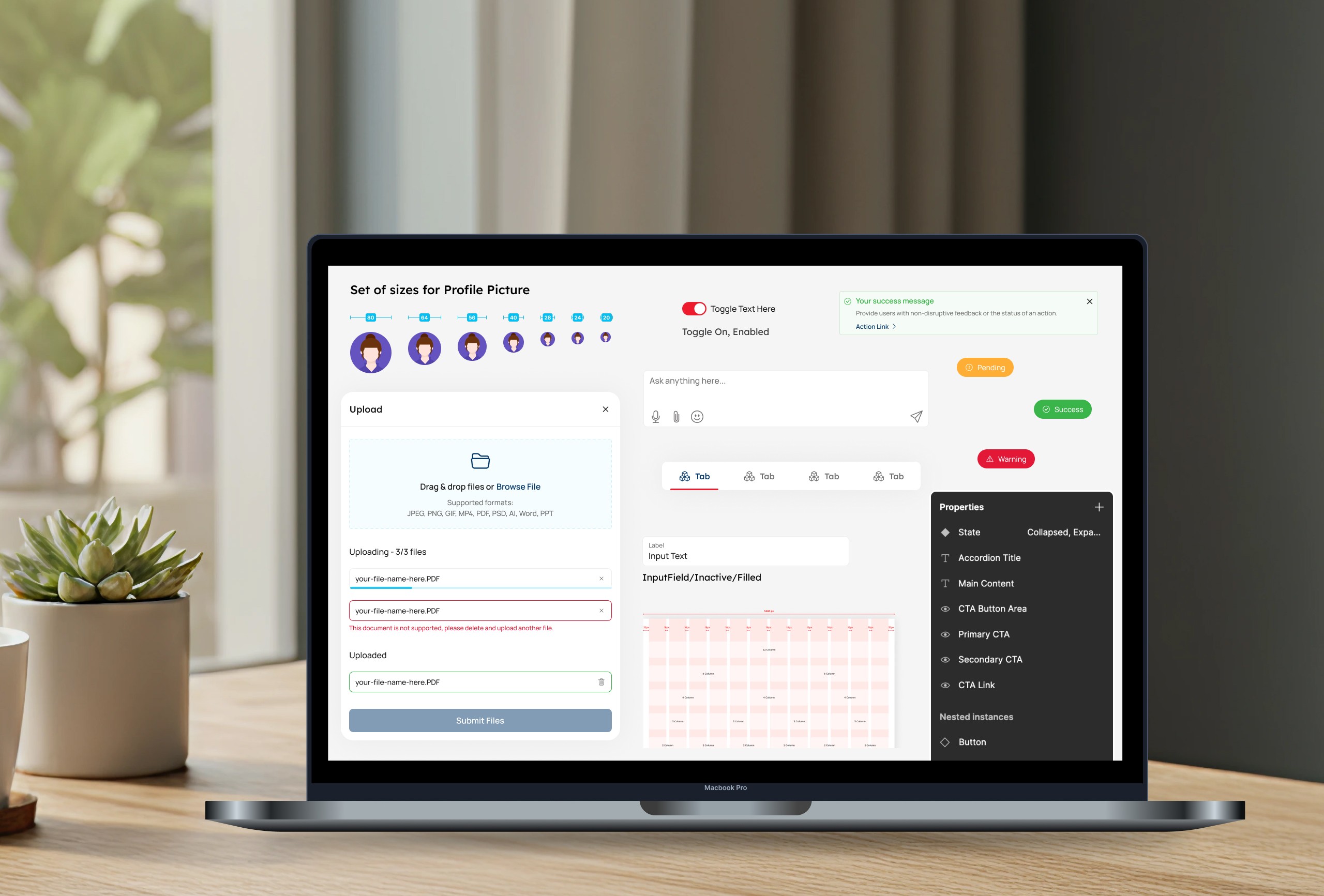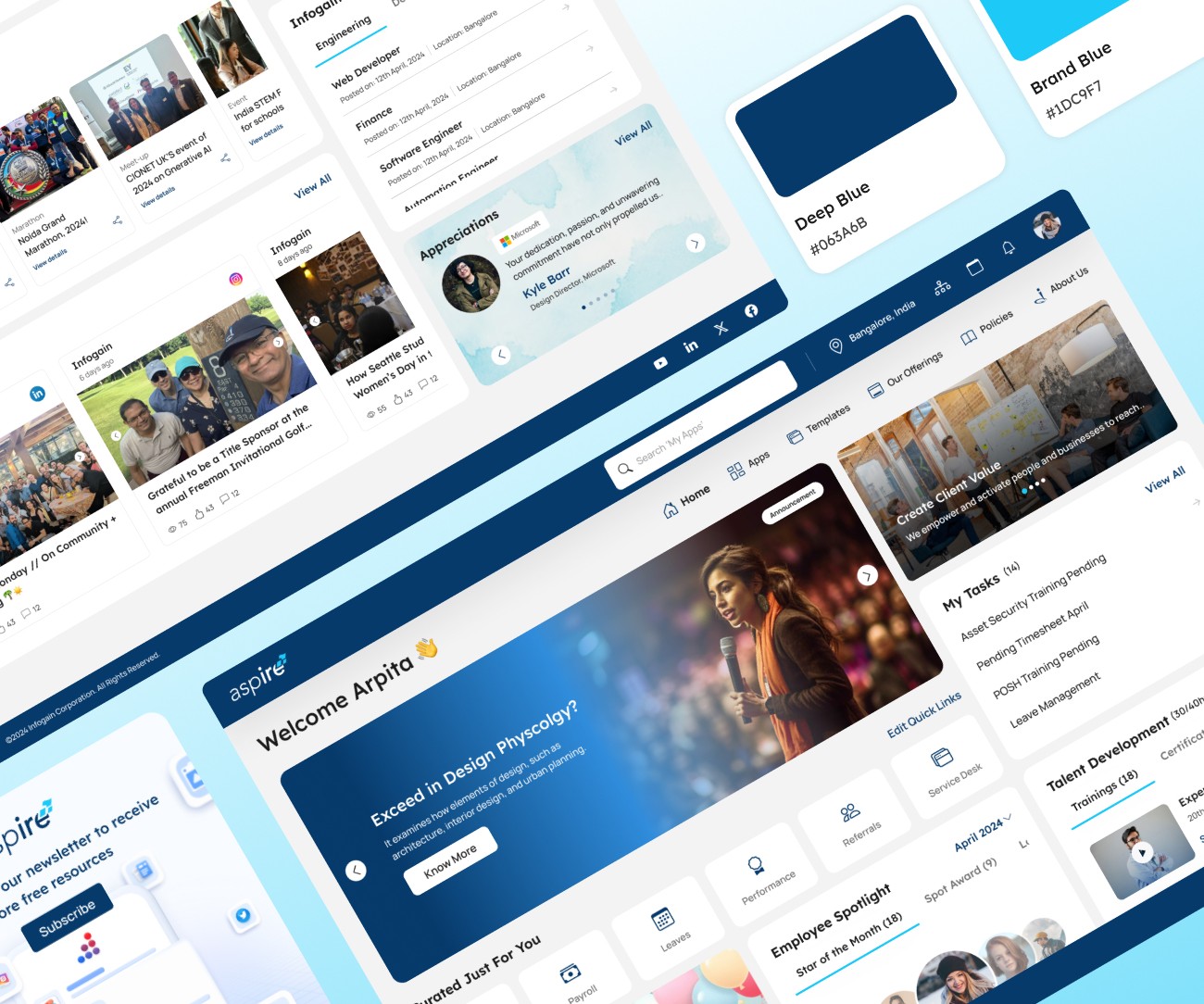

A flexible white-labelled design system built for an International Insurance Company to unify products and brands with consistent UI, faster launches, and seamless design-to-dev collaboration—scalable, accessible, and ready to adapt.
Category
Role
Time Line
Building a Scalable, Brandable Design Foundation
Background
A leading international insurance provider in Singapore aimed to unify their fragmented design approach. Their existing products (both internal and partner-facing) used inconsistent design systems, making scalability a challenge. With plans to serve 10+ partner brands, they needed a cohesive, flexible, and brand-ready solution.
Objective
To build a flexible white-label design system that adapts to diverse brand identities while ensuring speed, consistency, and scalability.
My approach
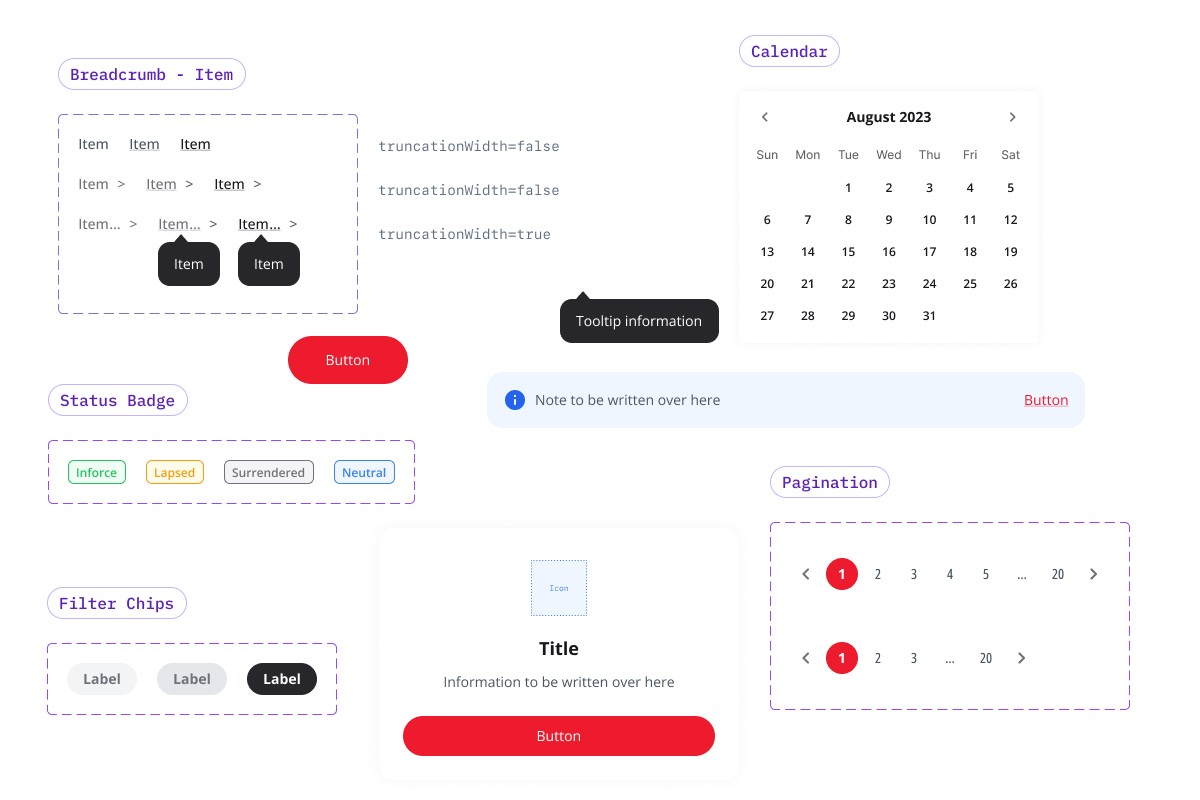
The real challenge began with multiple disjointed design systems across internal products. My role was to unify these into one scalable foundation that could serve both internal and 10+ external partners. I audited existing workflows, identified must-have and good-to-have components, and collaborated closely with developers to define core tokens — global and brand — covering fonts, colors, spacing, and more. Without direct access to partners, I partnered with business analysts and sales teams to anticipate variations and design flexible components adaptable for all future use cases.



[ design tokens ]
[ faster launch ]
[ quicker handoff ]
[ adoption rate ]
White Label Product
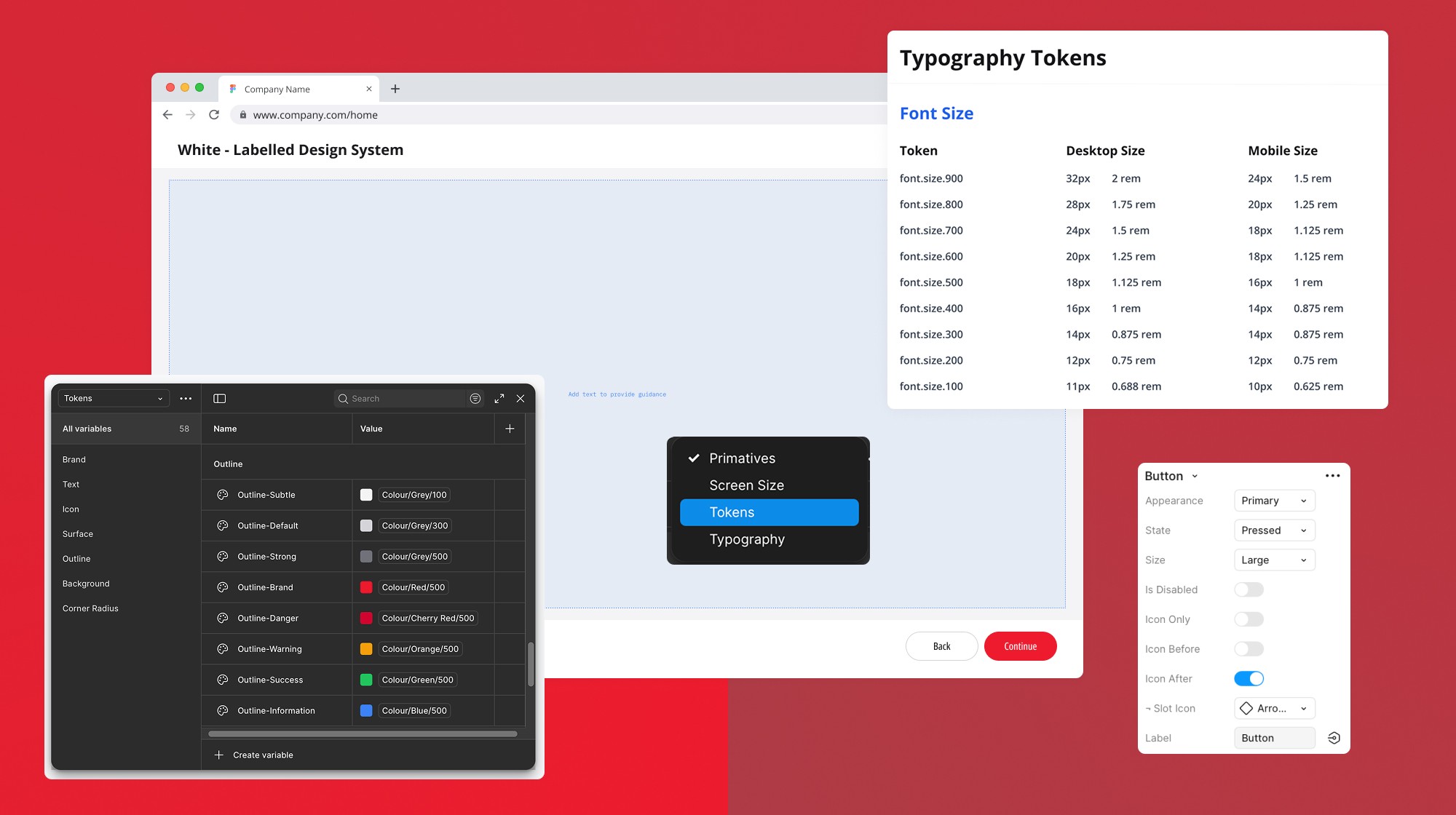
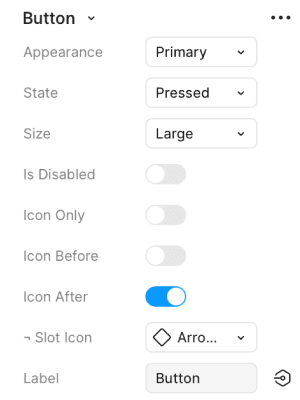
To ensure flexibility, design tokens were split into Global Tokens (shared across apps) and Brand Tokens (customized for each brand’s identity).

200%
Seamless Multi-Brand Integration
Brand A

Brand B
Brand C
Built to empower teams to launch branded experiences faster, without reinventing the wheel each time
Scalable Architecture
Designed for Growth — A Scalable and Modular Architecture that adapts effortlessly across partners, products and geographies without losing identity.
10+
Brands Scaled Globally with a Unified Design Language
System Harmony
Consistent. Connected. Customizable.
Smart Scalability
Grows with your products—no redesigns needed.
Due to confidentiality, detailed project insights can’t be shared here. However, I’d be happy to connect and walk you through the process, challenges, and solutions behind building this large-scale, white-labelled design system!